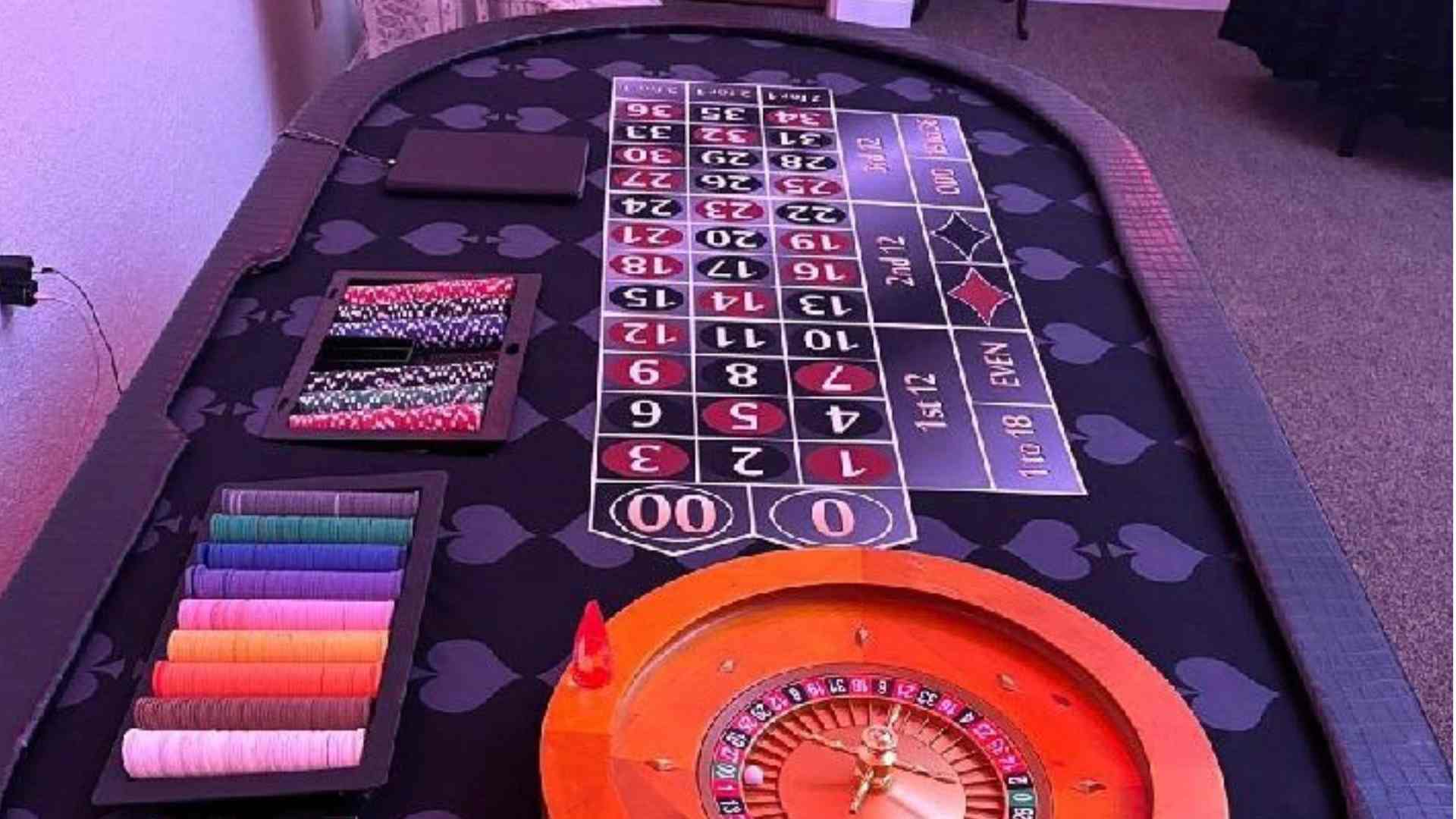
The visual structure of a prize wheel does far more than just showcase potential rewards to an audience. Dynamic configuration choices, ranging from specific segment layouts to vibrant color schemes, directly influence human cognitive responses and player engagement levels. By analyzing how these interfaces are constructed, platforms can build more immersive environments that balance thrill with functional transparency.
The Psychological Impact of Segment Sizing
When players look at a spinning interface, the physical arrangement of individual slices creates an immediate perception of value and fairness. Evenly balanced configurations promote a sense of equal opportunity, encouraging casual participation without causing unnecessary cognitive fatigue. Conversely, asymmetrical layouts with varying wedge widths naturally draw human eyes toward specific segments, intensifying the overall dramatic narrative.
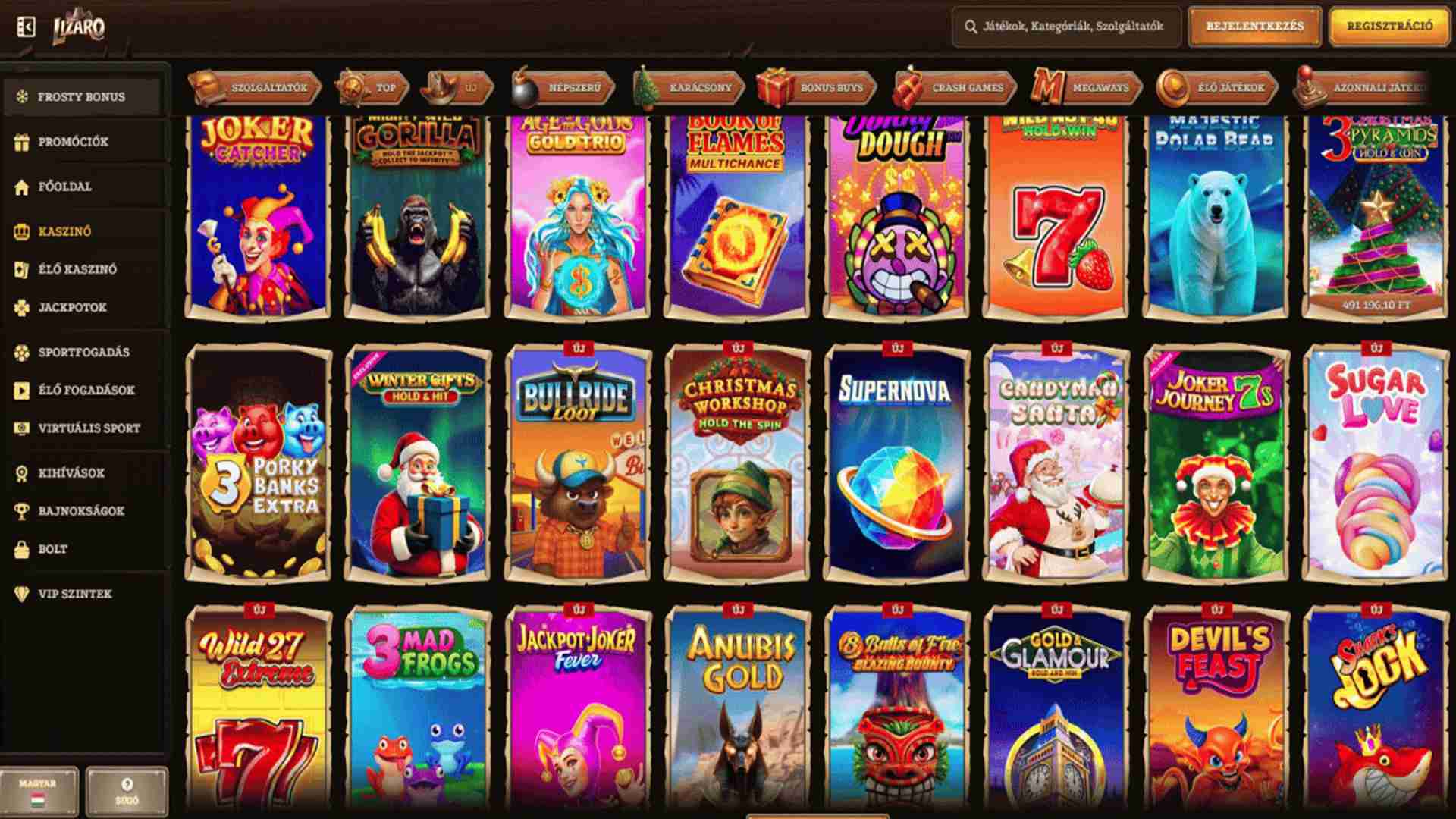
This design arrangement forces participants to actively track the pointer as it navigates through alternating zones of high and low importance. When individuals engage with a well-optimized digital layout, such as the gaming selections found at m88 bet, clear spatial boundaries ensure that every outcome feels authentic and structured. Proper visual calibration prevents user frustration by ensuring that statistical reality aligns closely with intuitive display indicators.
Color Theory and Emotional Engagement
The color palette applied to a spinning interface heavily shapes a participant's emotional journey throughout a session. Academic studies demonstrate that warm tones like red and orange stimulate excitement, making them ideal for highlighting major milestones or jackpots. On the other hand, cool tones like blue and emerald promote feelings of stability and focused attention during prolonged interactions.
Blending these contrasting color tones allows designers to structure a distinct visual hierarchy across the circular display surface. High-contrast borders help players quickly distinguish individual segments while the rotation remains in active motion. This thoughtful color coordination ensures that the entire sensory experience remains stimulating without overwhelming the user's visual perception.
Audio Integration and the Anticipation Loop
Acoustic engineering plays a pivotal role in transforming a simple mechanical rotation into a highly responsive multimedia spectacle. The iconic ticking sound of an indicator passing individual pegs builds physical anticipation by providing a measurable timeline of tension. As the sound frequency gradually slows down, the brain experiences a heightened state of suspense before settling on the final resting position.
Modern digital platforms complement these physical indicators with unique musical motifs that shift according to specific winning outcomes. Introducing short celebratory fanfares for minor achievements reinforces a positive feedback loop that sustains interest over multiple sessions. By synchronizing precise audio cues with real-time visual deceleration, developers create a cohesive atmosphere that maximizes interactive entertainment.
Functional Transparency and Modern Interface Mechanics
As interactive media shifts toward sophisticated automated environments, structural transparency has become a primary metric for building long-term audience trust. Players demand intuitive interfaces where official paytables and random number generation parameters are easily accessible. Presenting these rules clearly inside the main game dashboard allows participants to set realistic expectations before triggering a single turn.
Furthermore, contemporary developers continuously integrate responsive design traits that allow flawless navigation across diverse mobile and desktop configurations. Smooth animations and clean typography remove unnecessary physical friction, keeping the focal point entirely on the mechanics of chance. Ultimately, combining aesthetic clarity with mathematical transparency ensures a reliable, sustainable, and highly enjoyable gaming experience for everyone.