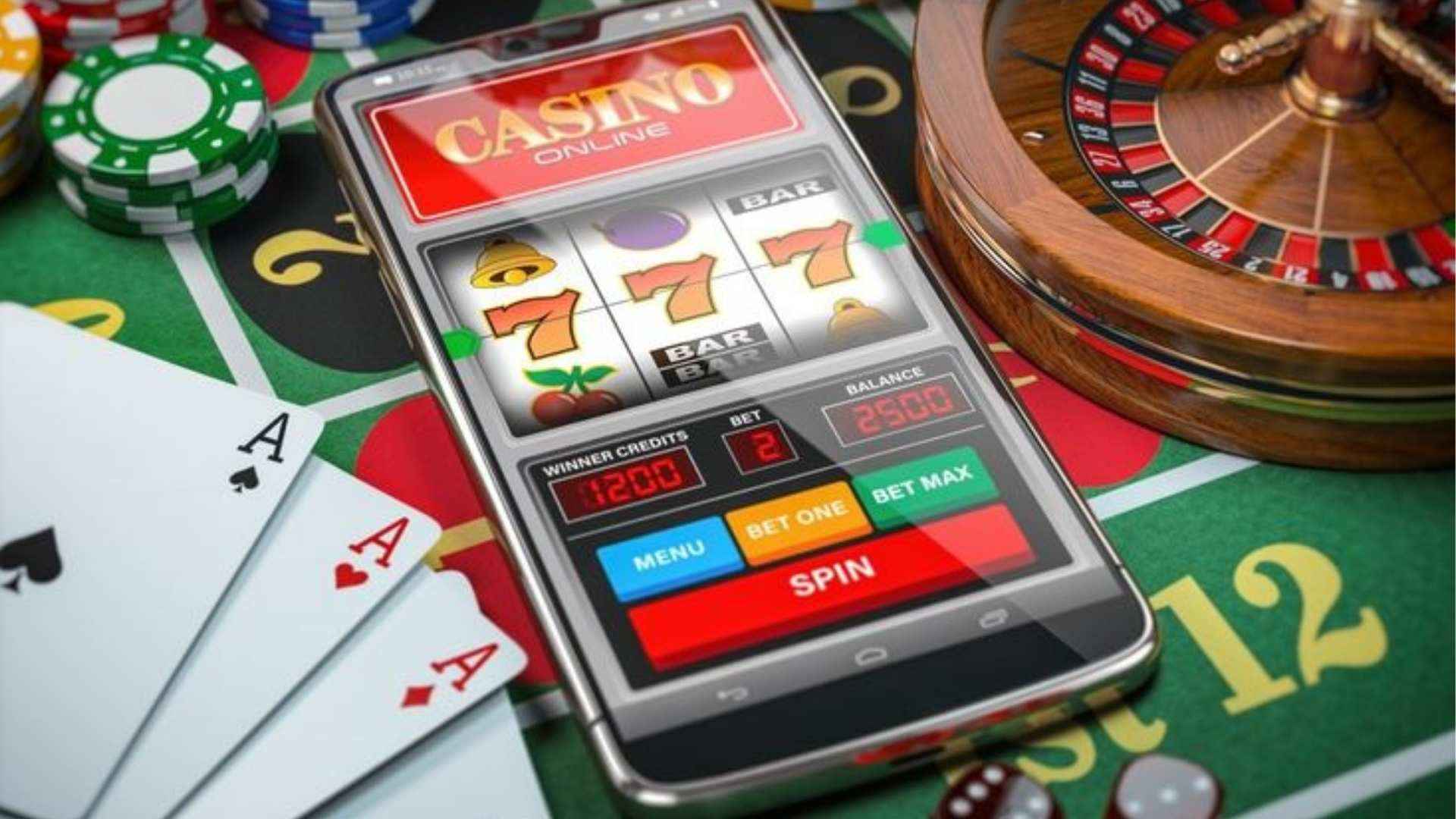
Probability games have long served as more than just a source of casual entertainment. By challenging the human mind to navigate uncertainty, these activities provide an excellent framework for developing strong cognitive habits. Engaging with these structural challenges helps individuals move away from emotional assumptions and toward fact-based decision making.
The Science of Sound Judgments
When players interact with randomized elements, they are forced to confront the core concepts of mathematical frequency. This regular exposure helps dismantle common cognitive biases like the gambler's fallacy, where people mistakenly believe past results influence future outcomes. Over time, practicing with these systems encourages a mindset rooted in objective data analysis.
Furthermore, evaluating independent events teaches individuals how to calculate realistic expectations in high-stakes environments. Instead of relying purely on emotional impulses, participants learn to weigh potential risks against measurable outcomes. This mental shift is highly valuable for navigating modern professional and financial complexities.
Developing Risk Assessment Skills
Every strategic choice within a game governed by chance requires an ongoing evaluation of unpredictable variables. Thinkers who practice these scenarios become highly proficient at identifying structural patterns amidst apparent chaos. This capacity to analyze odds logically allows individuals to minimize overall losses and maximize long-term rewards.
For modern enthusiasts exploring secure digital interfaces, using a trusted platform like M88 Login alternatif can offer an authentic environment to witness random number distribution in action. Observing how calculated options unfold across multiple rounds builds solid intuitive familiarity with statistical variations. Ultimately, this constructive practice shifts gameplay from pure entertainment into a useful tool for personal growth.
Encouraging Long-Term Strategic Planning
Rational thinking is heavily dependent on an individual's ability to look past immediate outcomes and focus on comprehensive trends. Probability games emphasize this by demonstrating that even a perfectly sound decision can occasionally result in a temporary setback. Recognizing this separation between choice quality and sudden chance events is essential for building emotional resilience.
By shifting focus toward long-term probability rather than individual rounds, players learn the importance of consistency. This disciplined approach teaches adults and younger learners alike to remain patient while executing strategic plans. Over time, this analytical endurance translates seamlessly into real-world scenarios that demand steady logic under pressure.
Building Confidence Through Cognitive Exercise
Engaging regularly with statistical puzzles and chance-based tabletop mechanics naturally sharpens critical reasoning capabilities. Facing complex scenarios where outcomes are not guaranteed helps reduce the general anxiety associated with daily uncertainty. As logic improves, individuals feel far more capable of handling unexpected shifts in their personal routines.
In conclusion, incorporating mathematical play into routine activities serves as an effective workout for the human brain. By pushing boundaries and testing logical limits, these specialized exercises prepare the mind for smarter real-life choices. The path to sharper rational thinking might just begin with a simple roll of the dice.